Parts of Littleton sit on grades that send spring melt toward the garage. Local pros want to know if water enters. A coating is not a drain. Where the slab stays dry, flake is the garage answer and a tested lower level can take a solid or metallic floor.
Older downtown-adjacent garages are smaller and more stained. Newer southwest subdivisions are larger and newer. The photo tells us which prep we are walking into.
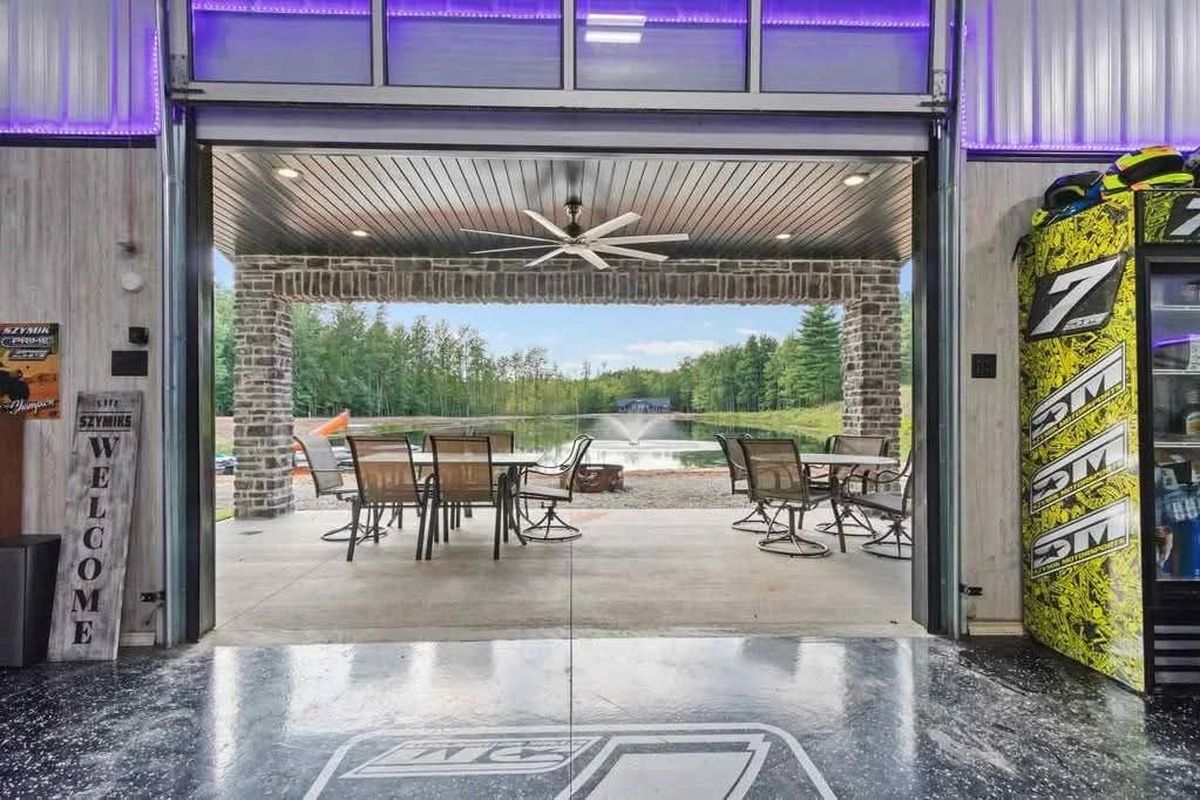
The photo is an example finish, not a documented Littleton job.
A garage floor can look dry at the surface and still transmit moisture from below. That matters in Littleton homes where spring melt may reach the slab edge or where a lower level has limited ventilation. Ask for moisture testing before the coating is specified. Calcium chloride testing measures moisture leaving the surface; in-slab relative humidity testing checks conditions within the concrete. The results help determine whether the proposed system is suitable.
A good inspection also checks the concrete itself. Diamond grinding removes weak surface material and creates a consistent profile, often described by a concrete surface profile, or CSP, range. Acid etching is less predictable: it can leave contamination in pores and does not correct weak concrete or uneven areas. Ask how the crew will confirm the prepared surface is clean, sound, and ready for the primer.
Cracks and control joints need different decisions. A stable crack may be filled or repaired, but a joint designed to accommodate slab movement should not automatically be bridged with a rigid coating. Ask which joints will remain visible and how repairs will be treated. On an older, stained garage slab, preparation and repair can take more work than the coating application itself.
A coating is a sequence, not a single layer. Depending on the system, that can include a moisture-compatible primer, a pigmented base coat, decorative flakes broadcast into the wet layer, and a protective topcoat. Ask the contractor to name each layer and explain its purpose. A written scope should also say how the surface will be prepared and what happens if testing or grinding exposes a problem.
Garage use affects the finish choice. Vehicles can bring water, grit, and de-icing residue inside, while hot tires can stress a coating that has not bonded or cured properly. Full flake coverage can add texture, but texture and traction depend on the broadcast and topcoat. Ask for a sample and discuss cleaning, slip resistance when wet, and how the floor will handle normal parking and storage.
Lower levels need a different conversation from garages. Confirm that moisture testing and the proposed coating suit the room, and ask how temperature and humidity affect installation and cure. For a decorative solid or metallic finish, UV exposure matters where sunlight reaches the floor: some epoxy finishes can amber over time, while a UV-stable topcoat can help limit color change. No topcoat removes every maintenance need.
It should identify the test method, where readings will be taken, and how the results affect the product choice. Ask for the findings in writing and the coating maker’s acceptable limits. A statement that the floor “looks dry” is not a substitute for testing, especially when the slab is below grade or has had water exposure.
No. Repairs can improve the appearance and reduce the chance that a crack telegraphs through, but they cannot stop the slab from moving. A contractor should distinguish cracks from control joints, explain which repairs are included, and tell you whether movement lines will remain visible. Be cautious of promises that every line will disappear permanently.
There is no single safe wait time for every system. Temperature, humidity, slab conditions, and the coating’s cure schedule all matter. Get separate written instructions for foot traffic, moving items back, and vehicle traffic. Do not assume that a surface that feels dry has reached full cure or is ready for hot tires.
Follow the coating installer’s care instructions, especially during the initial cure period. In general, remove grit and de-icing residue before they are tracked or ground across the surface, then use a mild cleaner suited to the coating. Avoid unapproved harsh chemicals and abrasive tools, which can dull the finish or affect its traction.
Quotes may include different preparation, crack work, coating layers, flake coverage, topcoat, and cure instructions. Ask each contractor to list those items and state what is excluded. Compare the proposed system and installation steps, not just the finish name. If moisture testing or repairs are omitted, ask how those findings would change the scope.
Tell us about the floor in Littleton. A photo and a rough size are enough to start a written estimate. No street address on our side — local pros come to the slab.
Denver Epoxy Floors is an independent referral service that connects you with local epoxy flooring pros.
 DENVER